
Travelling Solo in Japan? Here’s the Etiquette You’ll Be Glad You Knew

Travelling solo in Japan as a woman is often described as calm and surprisingly easy. But there’s one thing that tends to catch people off guard. Etiquette. Not in a strict or intimidating way, but in the sense that Japan runs on quiet rules that aren’t always explained out loud.
A little awareness goes a long way, and knowing a few key customs before you arrive can turn potential awkward moments into smooth, confidence-boosting ones.
This guide isn’t about doing everything perfectly. It’s about understanding the everyday manners that solo travellers say they were most grateful to know in advance, from how to behave on trains to how to move respectfully through temples, restaurants, and shared spaces. Once you get the basics, Japan feels even more welcoming.
Why Etiquette Matters So Much in Japan
In Japan, etiquette isn’t about rules for the sake of rules. It’s about consideration. The culture places a huge value on harmony, shared space, and not inconveniencing others, which is a big part of why the country feels so calm and safe to travel in.
For solo female travellers, this structure is actually a gift. When everyone follows the same unspoken guidelines, daily life feels predictable and easy to navigate. Queues are orderly. Public spaces are quiet. People respect personal space. Once you understand what’s expected, you can relax into it.
Many travellers say that learning a little about etiquette before arriving removes a lot of anxiety. Instead of worrying about standing out or doing the wrong thing, you start to feel more confident moving through the country with intention and respect.
It’s also worth remembering that effort matters more than perfection. Locals are generally patient and understanding with visitors who are clearly trying to be respectful. Small mistakes are usually met with kindness, not judgement.
Think of etiquette in Japan as a tool. It helps you blend in and enjoy your solo or group trip without second-guessing yourself. And once it clicks, it becomes one of the reasons travelling solo here feels so good.
Public Transport Etiquette: Trains, Subways and Stations
Public transport is where many travellers first notice how much etiquette shapes daily life in Japan. The good news is that once you understand the basics, trains and metros feel calm and surprisingly stress-free.
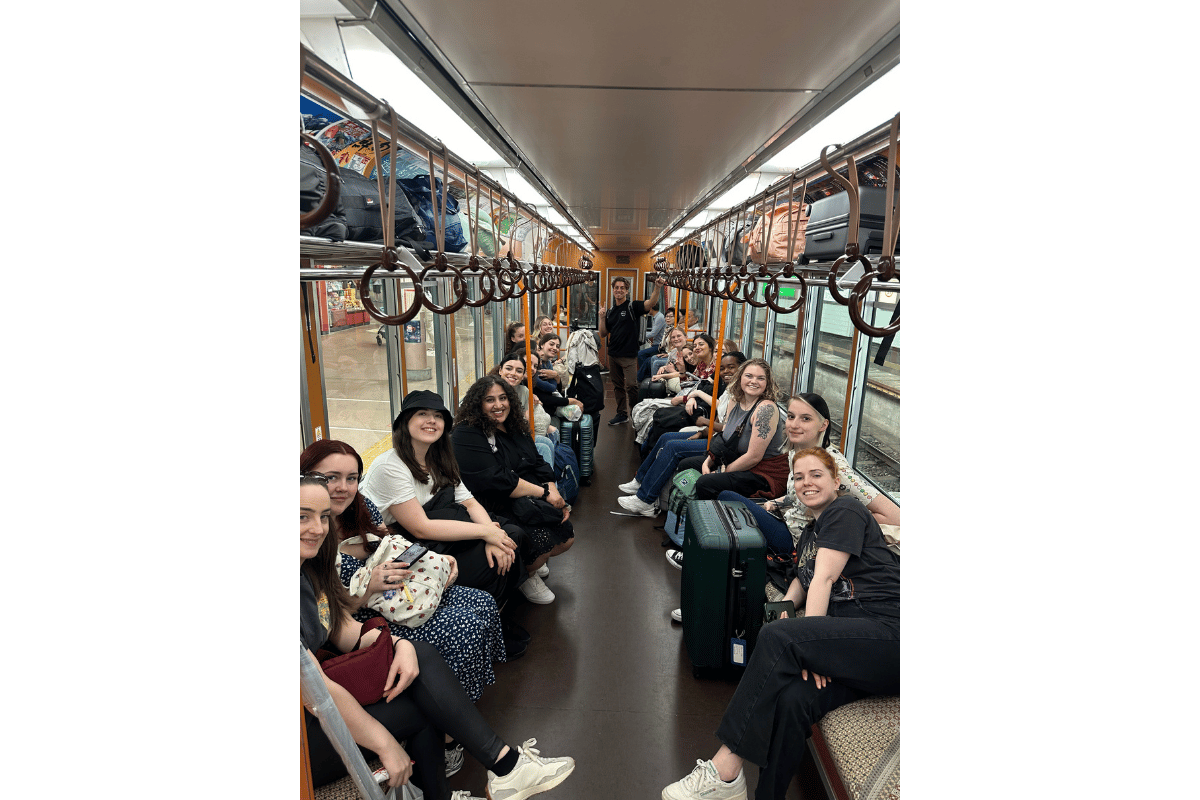
One of the biggest things to know is that public transport is treated as a quiet shared space. People keep conversations low, phones on silent, and avoid taking calls unless absolutely necessary. You don’t need to sit in silence, but being mindful of your volume goes a long way.
Queuing is another key part of the experience. On platforms, you’ll see clear markings showing where to line up. Passengers wait patiently, let everyone off the train first, and then board in order. (London commuters, take note.)
Personal space matters too, even in crowds. Backpacks are usually worn on the front or held by your side, and standing clear of doors is expected. It helps everything run smoothly. Japan is also so safe that you can leave your luggage on the other side of a carriage and know that it will always stay safe.
During rush hour, many lines have women-only carriages, clearly marked on platforms. You don’t have to use them, but they’re there if packed trains feel uncomfortable. A lot of solo female travellers appreciate simply having the option.
Once you get used to these rhythms, public transport becomes one of the easiest parts of travelling solo in Japan.
Eating, Drinking and Restaurant Etiquette
Japan is one of the easiest places in the world to eat alone, but there are a few small dining norms that help everything feel smoother.
In many casual restaurants, especially ramen shops, you’ll order and pay using a vending machine near the entrance. You select your meal, pay, take the ticket, and hand it over when you sit down. A popular Ramen chain and one of my personal favourites is Ichiran. Trust me, you need to check it out!
Tipping isn’t part of Japanese culture. Leaving money on the table can actually cause confusion, so a simple thank you is more than enough. Politeness matters far more than anything extra.
Slurping noodles is absolutely fine and often seen as a compliment to the chef. If you’re travelling solo, this is your moment. No one’s judging, everyone’s slurping.
Temples, Shrines and Everyday Street Etiquette
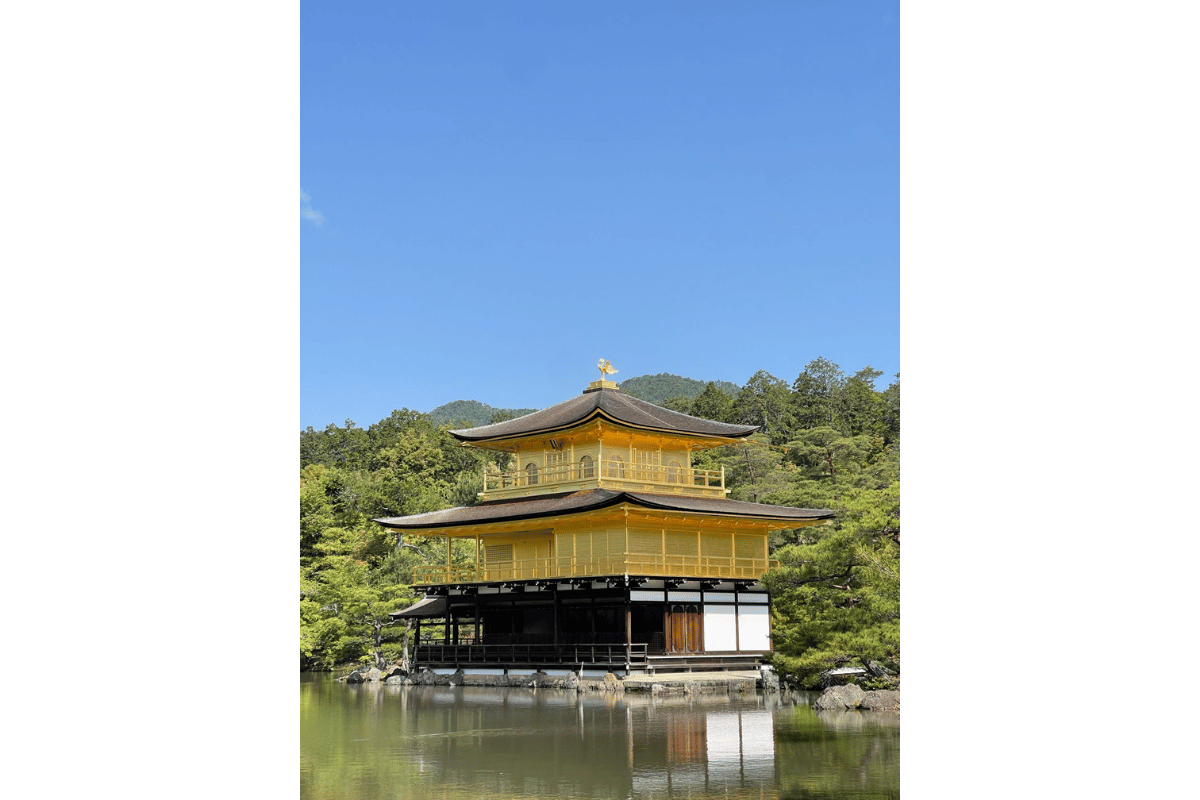
Sacred spaces in Japan are beautiful and peaceful, and a little etiquette goes a long way in helping you feel comfortable visiting them solo.
At shrines and temples, you’ll often see signs or follow what others are doing. Walking slightly to the side of the main path, bowing gently at entrances, and keeping voices low are all part of showing respect.
Photography rules vary. Some areas allow photos freely, while others restrict them inside halls or during ceremonies. If there’s a sign or staff guidance, it’s best to follow it without question.
In older districts, particularly those with local residents or traditional culture, being discreet matters. Blocking narrow streets or ignoring no-photography signs is frowned upon. Moving slowly and observing your surroundings usually tells you what’s appropriate.
Cleanliness is another big part of daily life. Public bins are surprisingly rare, so carrying a small bag for rubbish is useful. It’s also considered polite to be discreet about things like blowing your nose in public, especially on trains.
These aren’t rules designed to trip you up. They’re part of what keeps Japan feeling calm and easy to move through.
What If You Get It Wrong?
Here’s the most important thing to remember. You will not get everything right, and that’s okay.
Japan doesn’t expect visitors to be perfect. What matters is intention. If you’re observant and clearly trying to be respectful, small mistakes are usually met with patience or gentle guidance.
Many solo travellers say that once they stopped worrying about doing everything flawlessly, they enjoyed the experience far more. Watching how locals behave, following signs, and asking for help will take you further than memorising every rule.
Etiquette in Japan isn’t about pressure. It’s about awareness. And once you tune into it, it becomes part of what makes travelling solo here feel so calm and empowering.
At the end of the day, travelling solo in Japan isn’t about memorising rules or worrying about getting everything right. It’s about moving a little slower and paying attention to the spaces around you. Most etiquette is picked up naturally just by watching how others move through daily life, and any small missteps are usually met with patience and understanding.
And honestly, for all the girls sitting on the fence, just go for it. Japan really is that amazing. And if you like the idea of experiencing it with a group of like-minded women, we also run group trips to Japan that are perfect for solo female travellers who want the magic without the stress.
FAQS
-
Not at all. You don’t need to know everything in advance. Most etiquette is picked up naturally by watching what people around you do. A little awareness goes a long way, and effort matters far more than perfection.
-
Honestly, very little. Small mistakes are usually met with patience or gentle guidance. Japan doesn’t expect visitors to behave like locals, just to be respectful and open to learning.
-
Japan has a lot of structure, but it doesn’t feel strict when you’re there. The etiquette is more about shared respect than enforcement. Once you understand the basics, daily life actually feels easier, not harder.
-
No. Solo female travellers often say they feel given plenty of grace. As long as you’re polite and mindful, people are generally kind and understanding, regardless of gender.
-
Quite the opposite. Many women say that understanding etiquette actually reduces anxiety. Knowing what’s expected helps you relax and enjoy the experience without second-guessing yourself.