
Japan in March: What Solo Female Travellers Need to Know
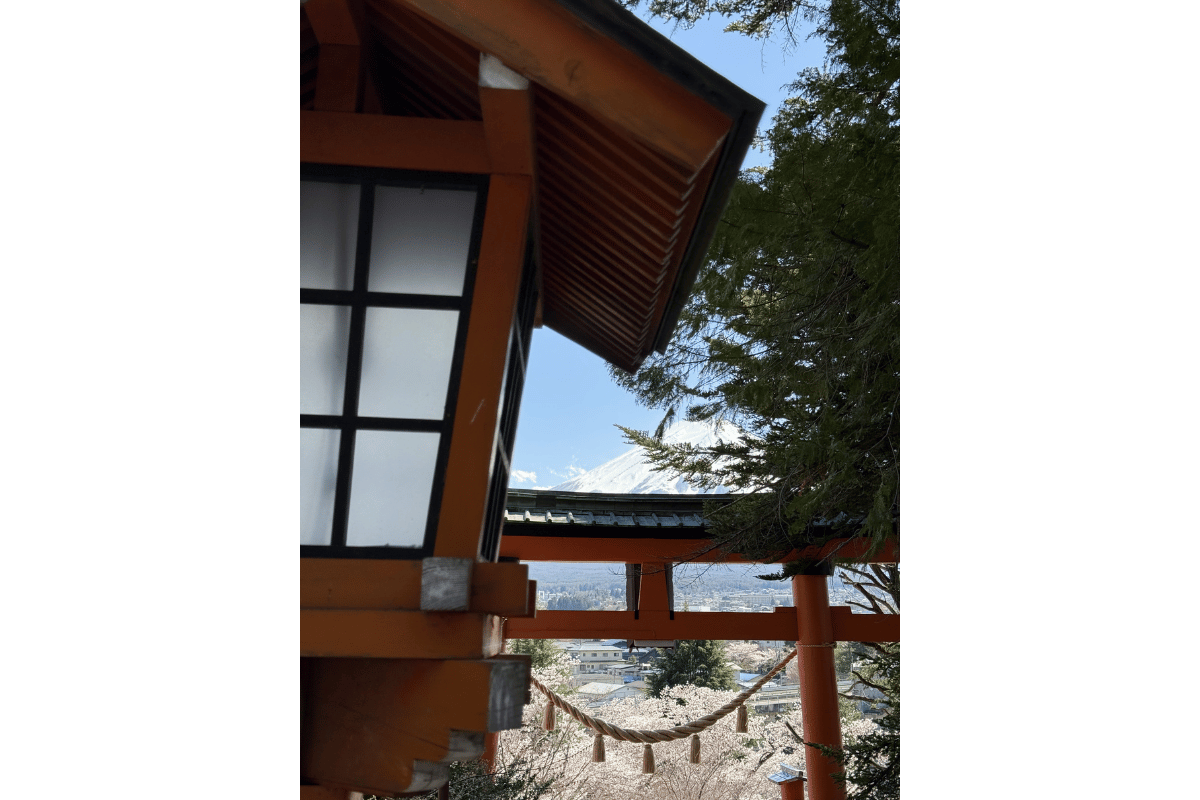
Japan in March marks the start of cherry blossom season. The air is cool, the days begin to stretch out, and across parts of the country, the first sakura begin to bloom.
For solo female travellers, it can be one of the most exciting times to visit. Crowds are building but not yet overwhelming. Blossom forecasts are being watched closely. Parks begin to fill with hanami picnics. The country feels calm, organised and incredibly safe to move through alone.
If you’re still deciding whether Japan suits you, our full guide to travelling solo in Japan as a woman breaks down what it’s really like.
If you are planning a trip in March, there are a few things worth knowing before you book flights or start packing. The weather can surprise you. Cherry blossom timing depends on the region. And layering properly will make or break your comfort.
Here is what Japan in March is really like, especially during cherry blossom season.
Weather in Japan in March: What It’s Actually Like
March in Japan is cool, and honestly, it changes quite a bit. Some days feel fresh and bright. Others feel closer to winter.
In cities like Tokyo, Kyoto and Osaka, daytime temperatures usually sit in the low to mid-teens (Celsius). It can feel pleasant in the sun at midday, especially if you are walking a lot. But mornings and evenings can be cold. You will want a proper jacket once the sun drops.
The first half of March often feels much colder than people expect, and the trees may still be bare. If cherry blossoms are your main reason for visiting, timing really matters. Late March is when cities like Tokyo and parts of Kyoto typically begin to bloom. If you’re travelling in the second half of the month, there is a strong chance you’ll experience sakura opening across parks and temple grounds. We break this down in more detail in our guide to Japan in Cherry Blossom Season, including where blooms tend to open first and how to plan around them.
Rain is also common in early spring. Not constant, but enough that a small umbrella or light waterproof jacket is worth bringing. The key to March is layering. A base layer, a knit, and a coat you can remove during the day. It is not a warm month. But it is very manageable if you pack properly. And the cooler air actually makes long sightseeing days easier than the heavy heat of summer.
What March Feels Like as a Solo Female Traveller
One thing that does not change in March is how safe Japan feels.
Japan is consistently ranked as one of the safest countries in the world for solo female travellers. That applies in winter, spring or peak cherry blossom season. You can walk back to your hotel in central Tokyo after dinner and feel comfortable. You can take public transport alone without second-guessing every move.
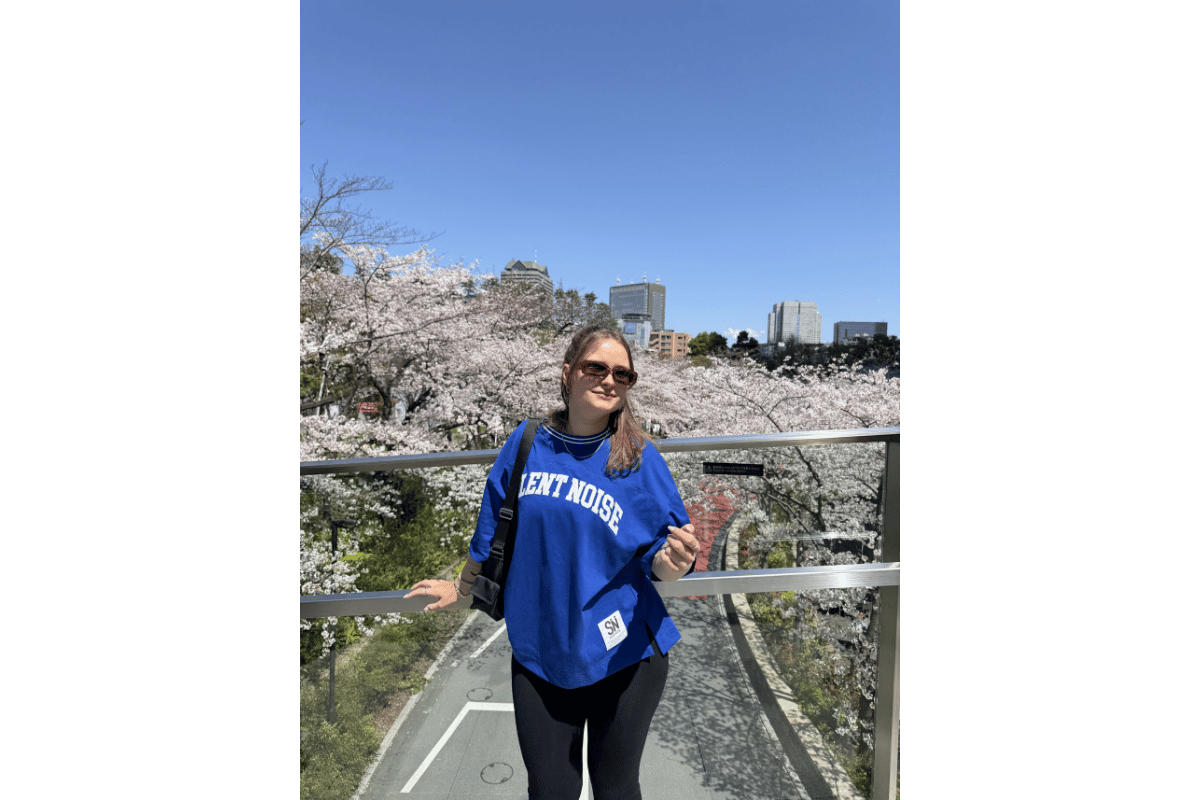
March feels special because of cherry blossom season. Once the sakura open, parks transform. You’ll see locals laying out picnic blankets, friends gathering after work, and photographers lining up early in the morning. Even walking through neighbourhood streets feels different when blossoms are overhead.
It is busy around famous blossom spots like Ueno Park in Tokyo or Maruyama Park in Kyoto. But it is not yet at full April intensity. You can still find quiet streets. You can still sit in a café without queuing for an hour.
Crowded commuter trains still exist. That does not change. If rush hour feels overwhelming, many lines have women-only carriages during peak periods. They are clearly marked and easy to use.
For first-time solo travellers, March can actually be a sweet spot. The weather keeps you layered and practical. The country feels alive but not chaotic. And Japan’s structure makes it very easy to build confidence quickly.
What to Pack for Japan in March
March in Japan is all about layers.
You will not need full winter gear in most cities, but you also will not be walking around in short sleeves. Think practical and adaptable.
Start with light base layers. T-shirts or blouses that you can wear under a knit. Add one or two sweaters for cooler days. Jeans or tailored trousers work well.
For outerwear, a packable puffer or medium-weight coat is ideal. Something you can remove during the day and put back on once the temperature drops. A lightweight waterproof jacket is useful too. Spring showers are common.
Comfortable trainers are essential. You will walk a lot. Stations are large. Temple grounds are bigger than they look online. Bring a second pair of smarter flats or ankle boots only if you know you will wear them.
If you want outfit photos you love, pack one or two pieces that feel slightly elevated. Tokyo especially is stylish. You can still be practical and look put together.
March Logistics: Crowds, Costs and Booking Tips
March sits right before peak cherry blossom season. That changes a few things.
If you are visiting in the final two weeks of March, book accommodation early in cities like Tokyo and Kyoto. Once bloom forecasts are announced, hotel prices rise quickly. Official forecasts from organisations like the Japan Weather Association tend to trigger that shift.
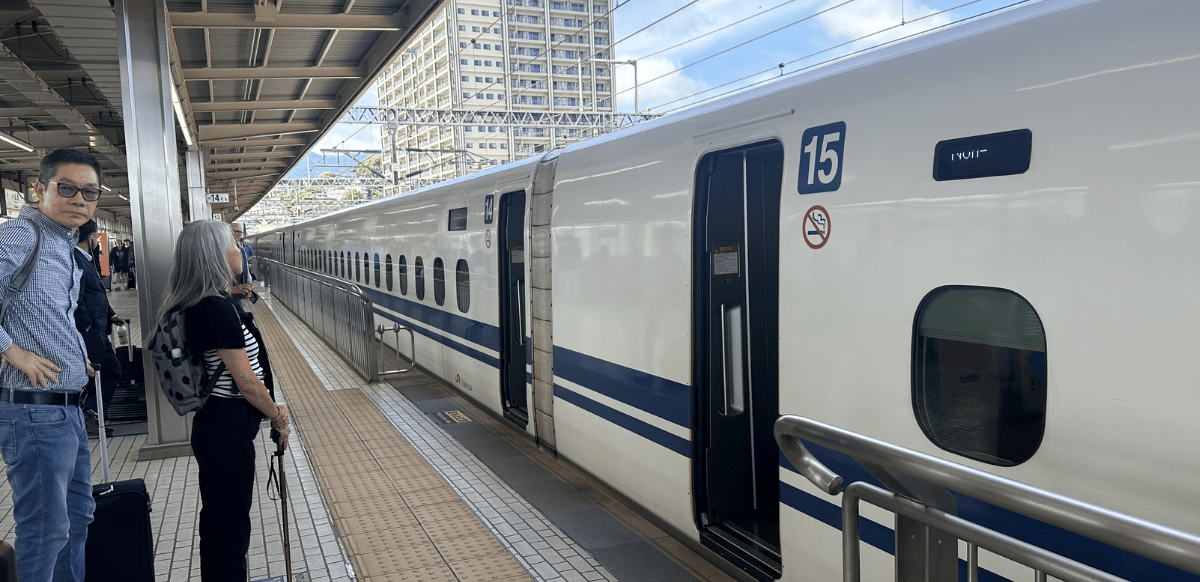
Transport is still extremely efficient. Bullet trains run on time. Local trains are easy to navigate. The only time you may feel overwhelmed is weekday rush hour in major cities. Outside of that, it is straightforward.
Budget-wise, March is not the cheapest time to visit Japan. It is also not the most expensive. It sits in between. You are paying for the chance to see blossoms without the heavy heat and peak April surge.
If planning routes, hotels and transport feels like a lot, this is where group travel makes sense. You still explore independently. You still have your own space. You just are not organising every train ticket yourself. Our female group trips to Japan are designed for exactly this kind of season. You show up prepared. The logistics are handled.
Safety and Etiquette Tips for a March Solo Trip
Japan’s safety reputation holds up in March.
You can walk alone at night in central areas and feel comfortable. You can use public transport without constantly checking over your shoulder. That said, normal awareness still applies.
Crowded commuter trains are the one place that can feel intense. If rush hour feels uncomfortable, use women-only carriages. They are clearly marked and common in major cities during peak times.
March also means cherry blossom season is starting. Parks fill up quickly once blooms open. There are a few unspoken rules around hanami.
Do not shake branches for photos.
Do not block pathways with large picnic setups.
Always clean up completely before leaving.
Keeping noise reasonable and being mindful of space goes a long way. Japan runs on quiet respect. Blend into that rhythm and you will feel at ease.
On public transport, keep phone calls off trains. Wear your backpack on the front in crowded spaces. Queue properly. These small things make you feel less like a tourist and more confident navigating alone.
If you want a deeper dive into everyday manners, we cover it in detail in Travelling Solo in Japan? Here’s the Etiquette You’ll Be Glad You Knew.
For solo female travellers, Japan is one of the easiest countries to explore. But that doesn’t mean organising it is simple. Train routes, hotel locations, blossom timing, and restaurant bookings. It adds up quickly.
That’s exactly why our female group trips to Japan work so well in March.
You still get independence. You still explore Tokyo, Kyoto and beyond at your own pace. You still have time to wander alone if you want it. The difference is that you don’t have to map every connection or stress about where to stay during peak blossom dates.
Before every trip, we send a detailed packing guide and dress notes so you know exactly what to bring for cherry blossom season. No guesswork. No overpacking. Just turning up prepared.
If you’ve been thinking about Japan, March is not just a good time to go; it’s cherry blossom season. And it’s one of the most beautiful times you’ll ever see the country.
FAQS
-
Yes, especially in the second half of the month. Cities like Tokyo often begin blooming in late March, with full bloom around the very end of the month. Kyoto and Osaka usually follow shortly after. Early March can still feel wintry, so timing matters.
-
Yes. Japan is consistently ranked as one of the safest countries in the world for solo female travel. March does not change that. Major cities feel safe to walk around, public transport is reliable, and women-only train carriages are available during rush hour.
-
Layers are essential. Think long trousers, light tops, knitwear and a medium-weight coat. Even in cherry blossom season, mornings and evenings are cold. Comfortable walking shoes are a must.
-
It depends on timing. Early March is quieter. Late March gets busier as cherry blossom season begins, especially in Tokyo and Kyoto parks. It is still generally calmer than peak April.
-
March sits between low season and peak cherry blossom season. Prices rise toward the end of the month as bloom forecasts are announced. Booking accommodation early is recommended if travelling in late March.